Error!

Damnacanthus indicus bonsai %separator% %category%

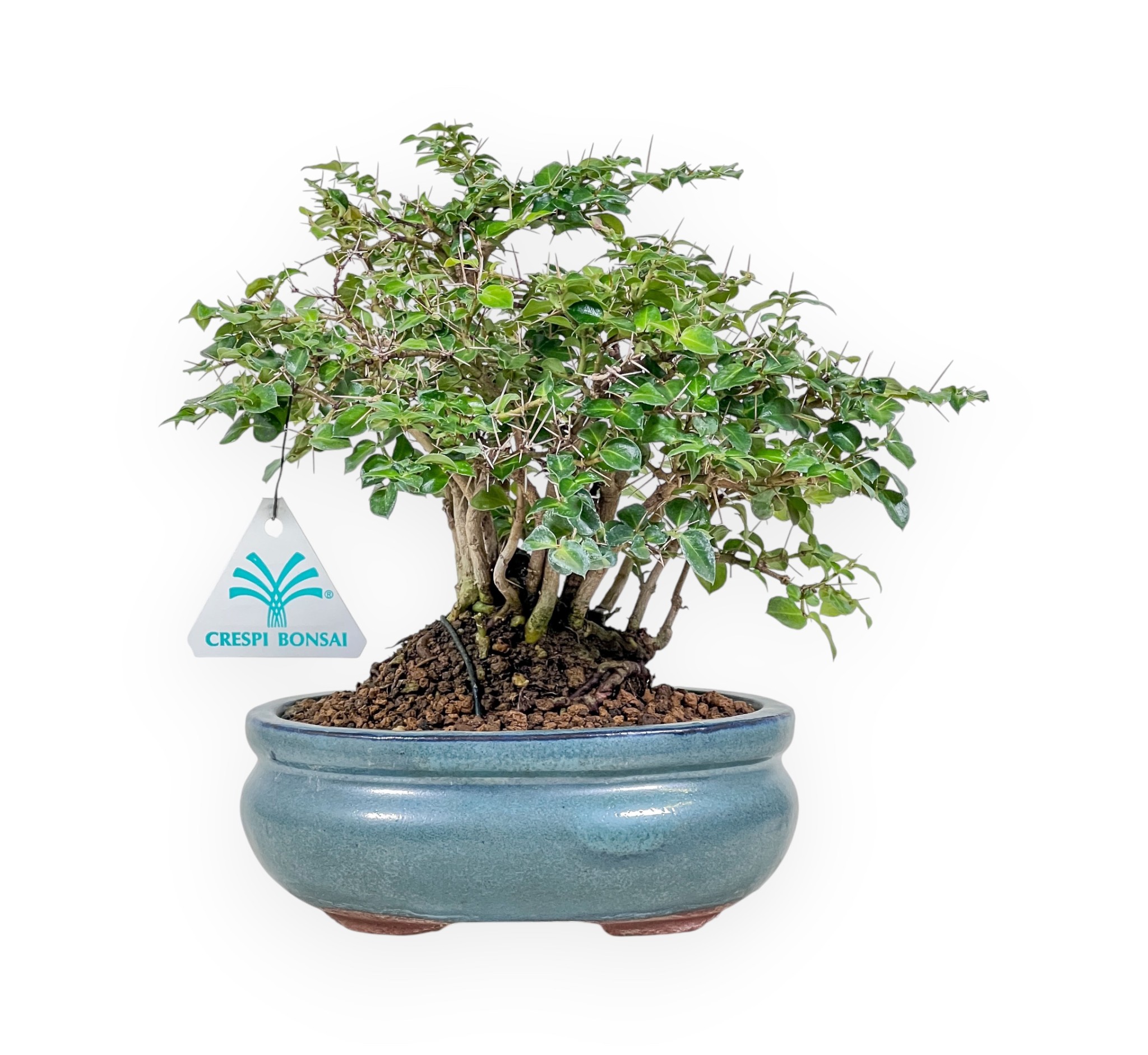
Damnacanthus indicus – 21 cm

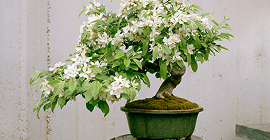
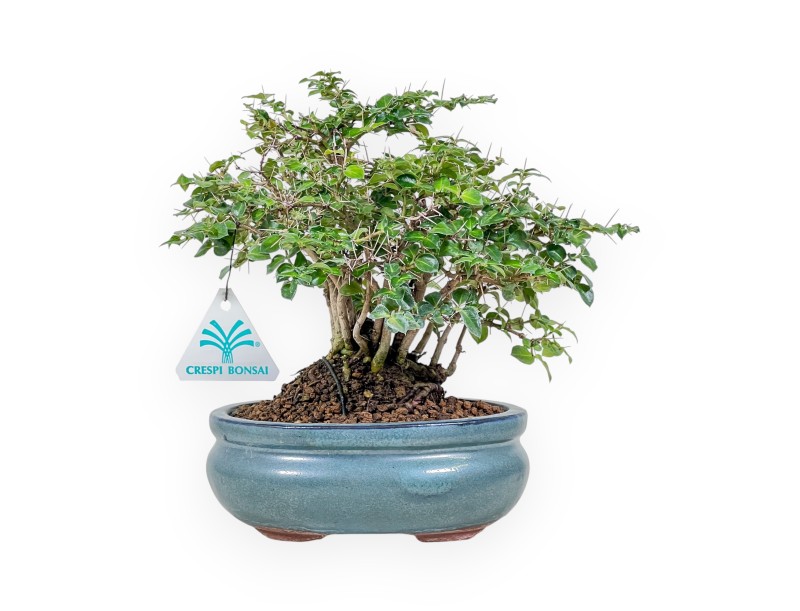
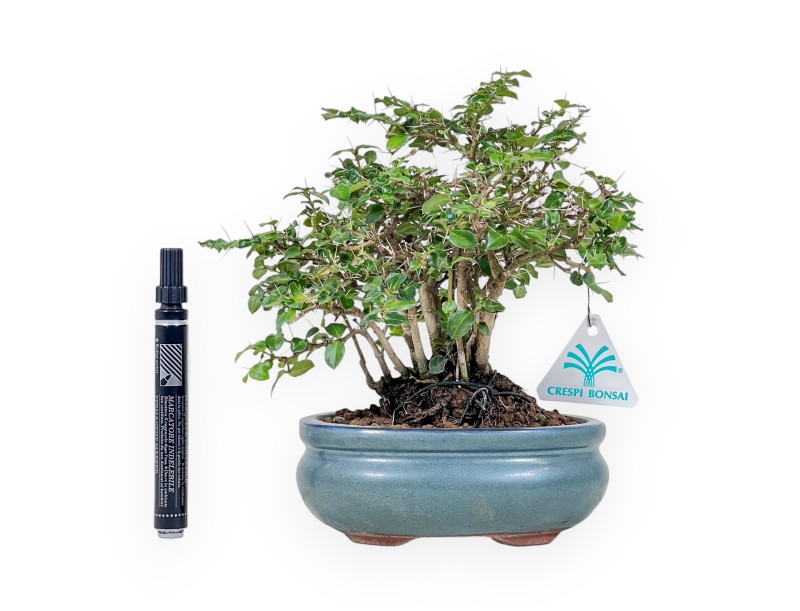
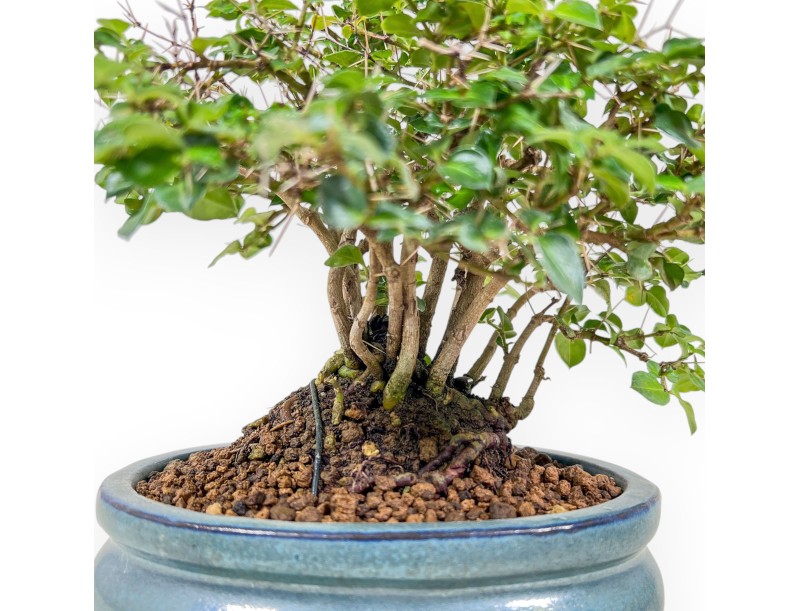
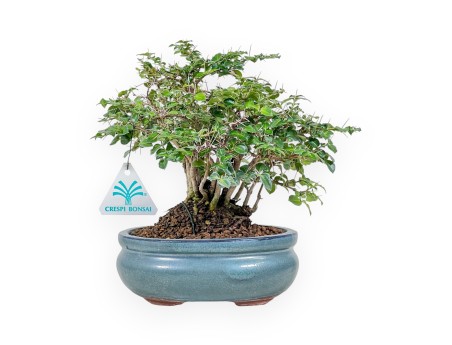
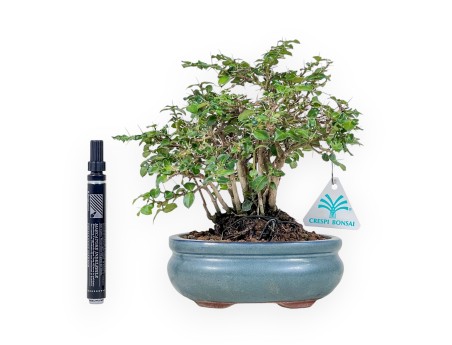
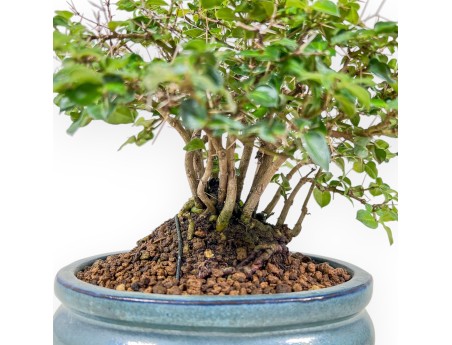
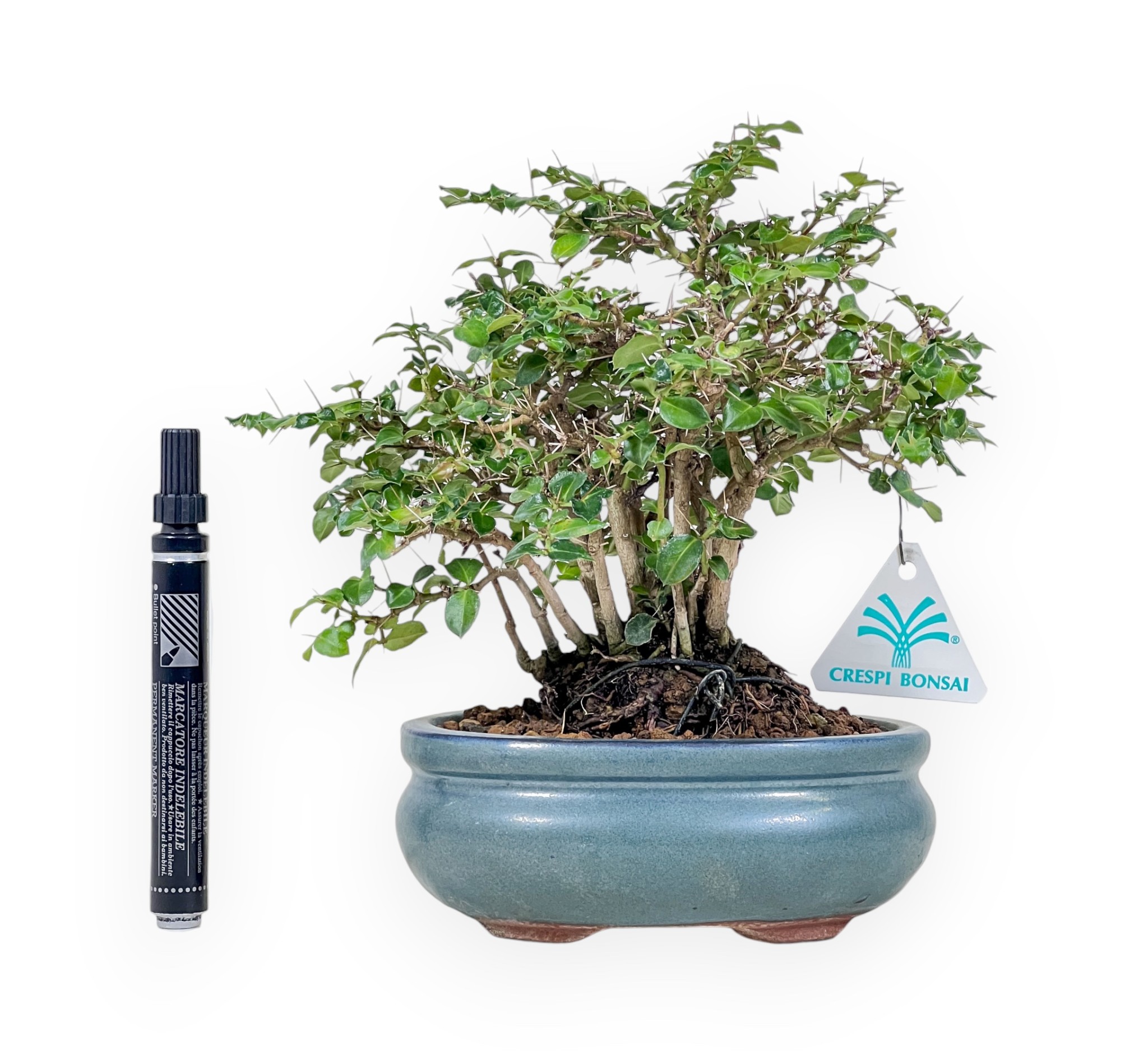
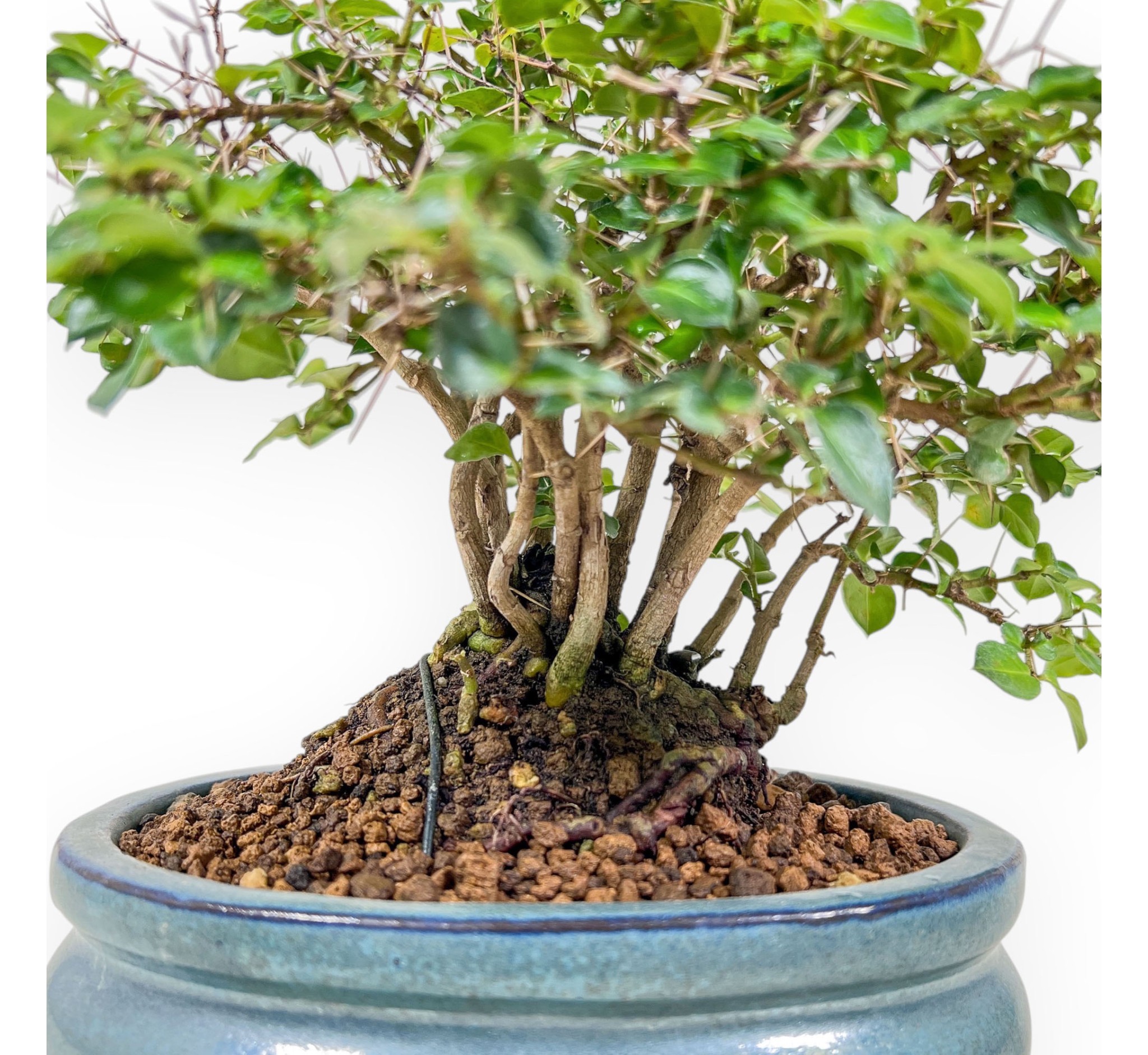
A Damnacanthus indicus bonsai, characterized by a height (excluding the pot) of 15,5 cm, a trunk diameter of approximately 0,5–0,7 cm and a nebari of 6 cm. The plant is grown in an oval glazed stoneware pot measuring 14,5x10,5xH5,5 cm.
Style forest (Yose-ue)
Height fino a 25 cm
Species Damnacanthus indicus
Typology Evergreen bonsai
Origin Japan
Photo taken in Autumn
Cod. Prodotto: Y99LTE-7652
Photo taken in: Autumn
Available: 1
€150.00
No tax

DESCRIPTION

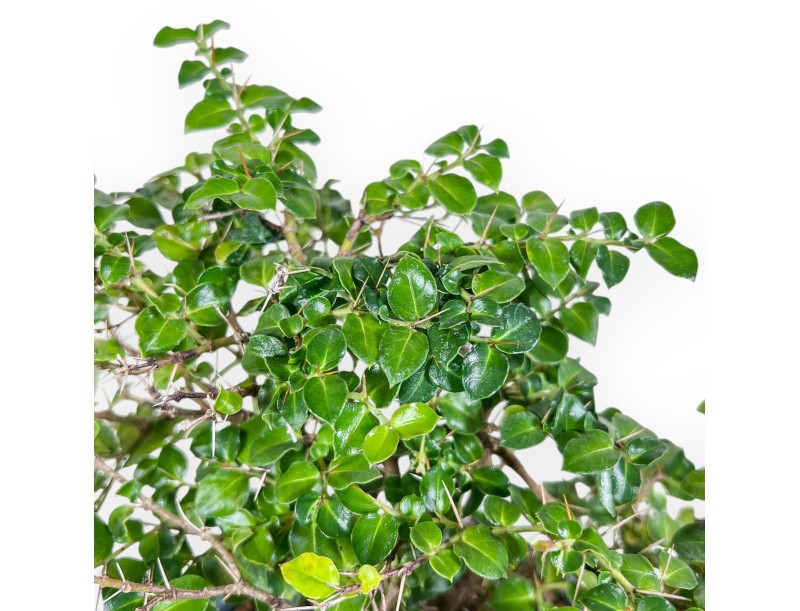
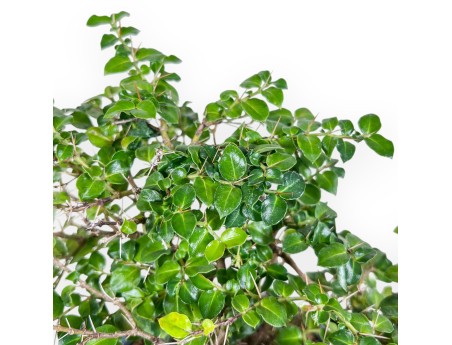
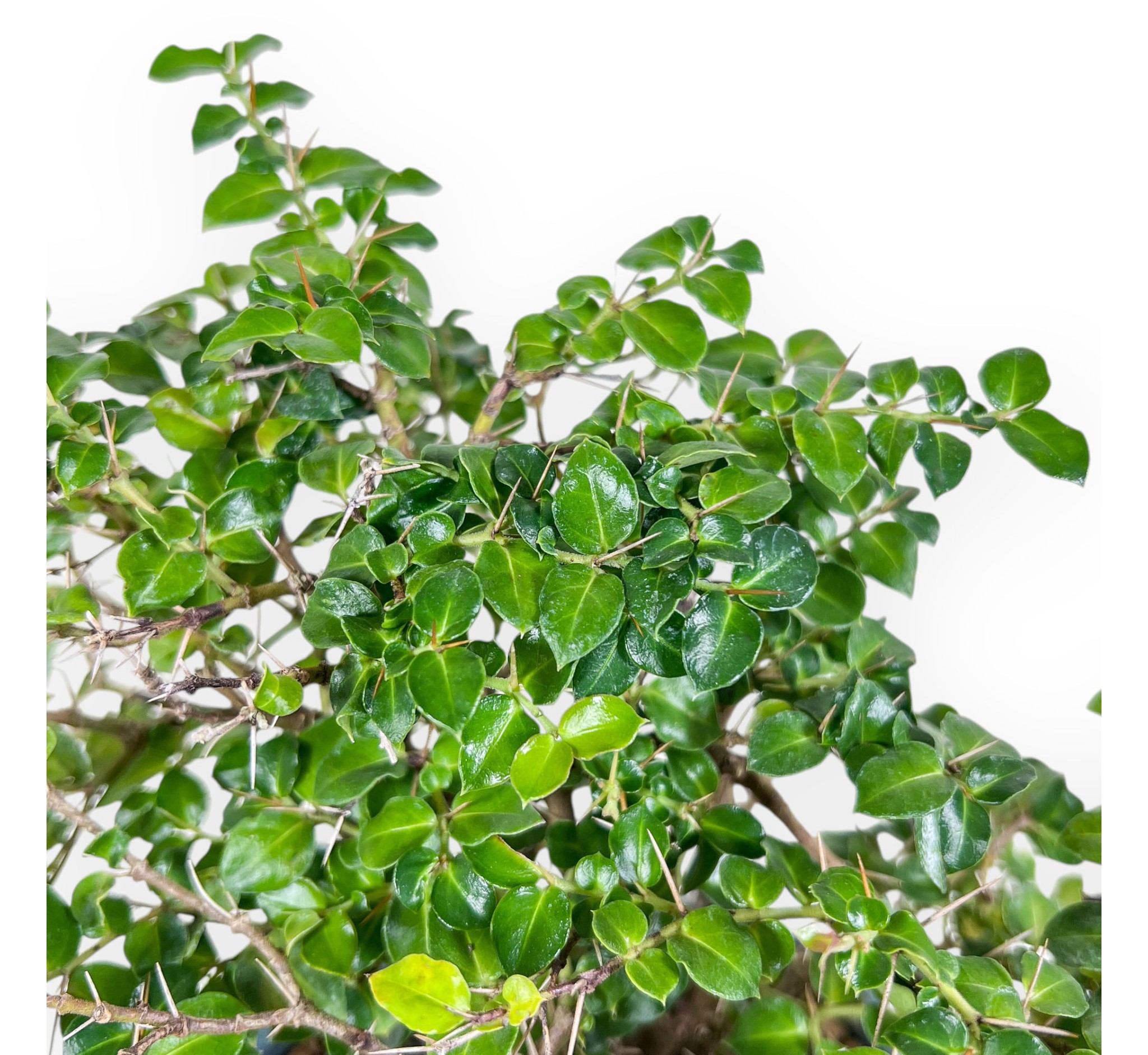
A shohin bonsai of Damnacanthus indicus, an evergreen fruit-bearing species, prized for its compact growth habit, small, well-spaced green leaves and ornamental flowers and fruit. In spring, it produces small, fragrant white flowers, whilst in autumn it may produce spherical, purplish-red or black fruits, similar to berries, which add to the plant’s decorative appeal. It also features thorns along the branches, making it even more distinctive. It is cultivated in forest style (yose-ue), in which several trunks of varying sizes and heights are arranged in an apparently random yet carefully planned manner to create depth and perspective. The slender, slightly sinuous trunks contribute to a natural and dynamic effect, whilst the asymmetrical arrangement of the trees faithfully evokes the irregularity of a woodland setting. The oval, turquoise-glazed stoneware pot creates a refined contrast with the intense colours of the blossoms, enhancing the overall aesthetic balance.

How to keep your bonsai healthy
Icona esposizione
Location

Grow bonsai outdoors all year round, in a shaded or semi-shaded position, taking care to place it in a sheltered spot during the colder months and in case of frost.

Icona annaffiatura
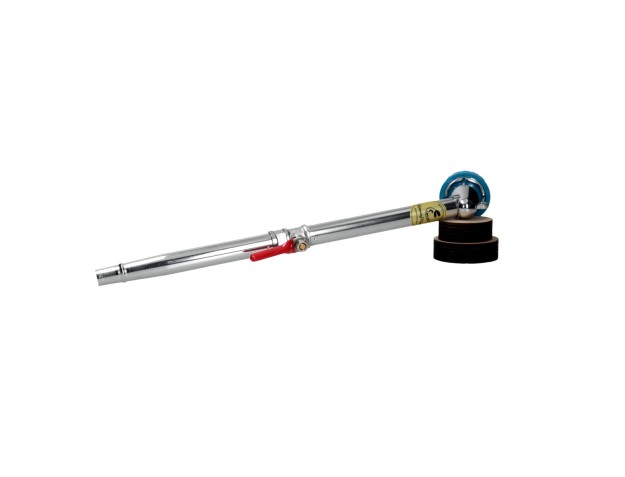
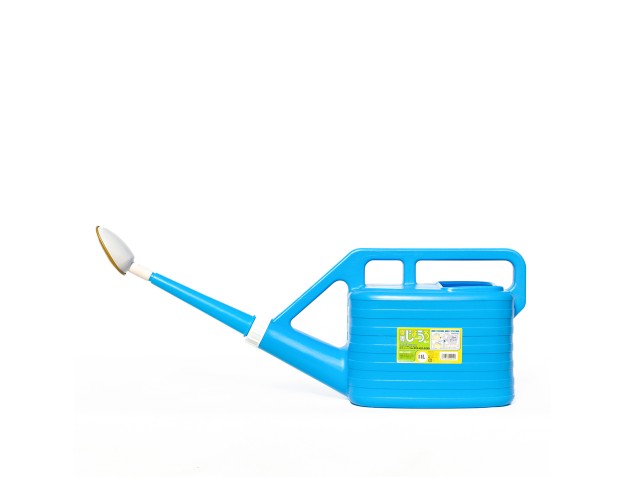
Watering

Always respect the dry and wet cycles: whenever the soil feels dry to the touch, water thoroughly. Then wait for the soil to dry before watering again in the same way.
Discover the right products

Icona concimazione
Fertilization

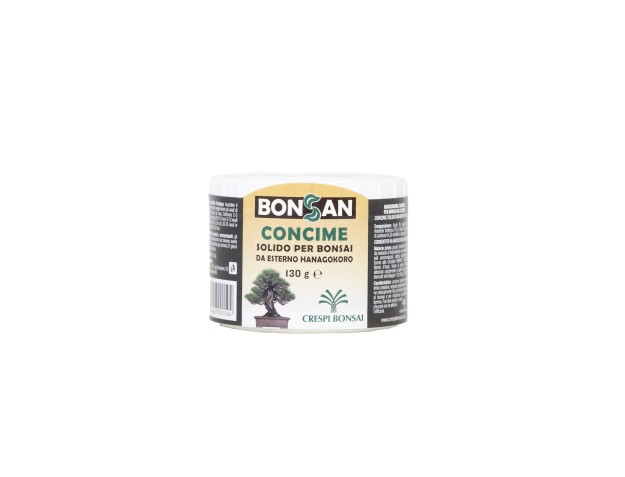
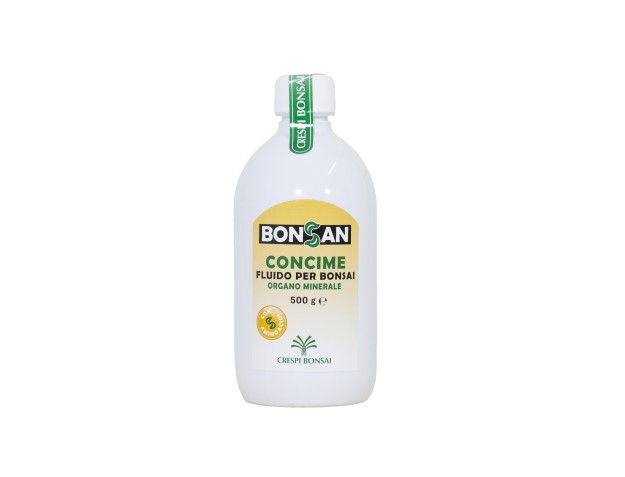
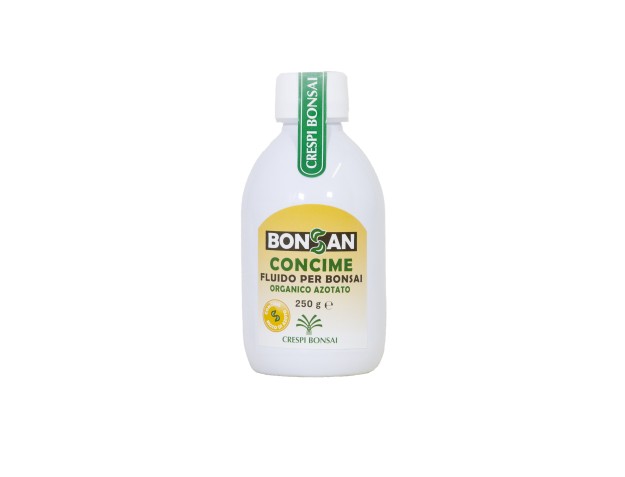
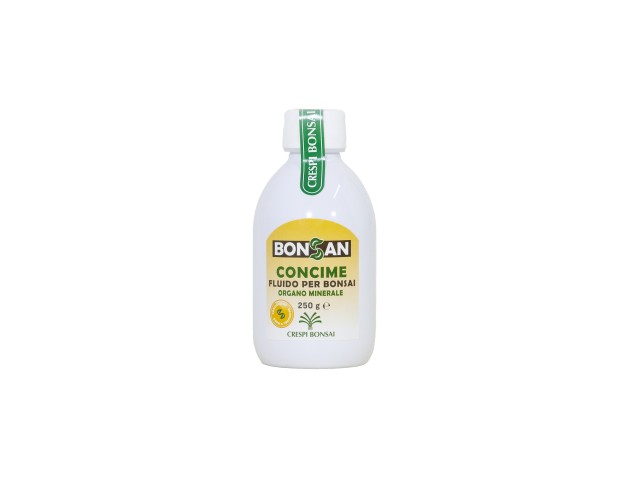
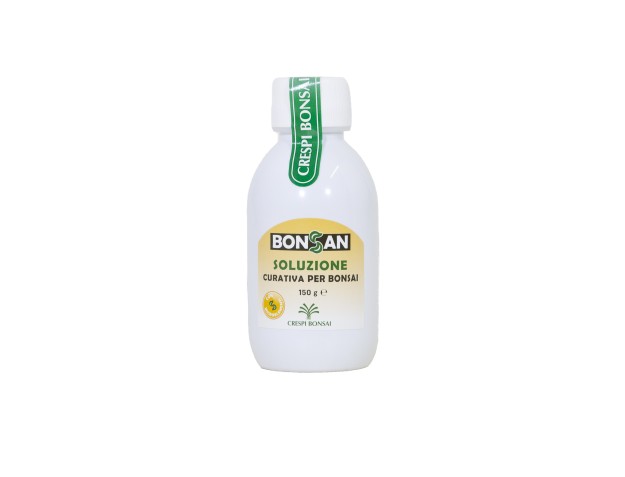
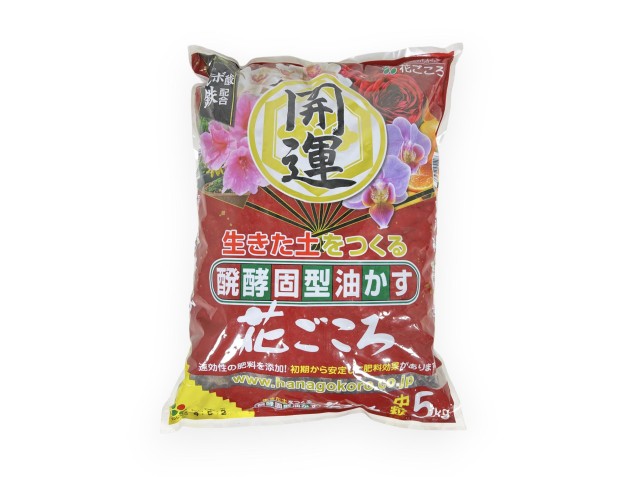
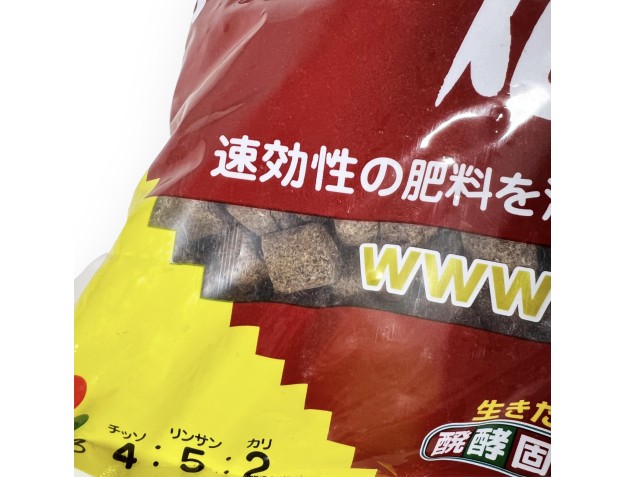
Apply fertilizer from spring to fall, avoiding the hottest months of July/August. Use an organic fertilizer, either liquid or solid.
Discover the right products

Icona rinvaso
Repotting

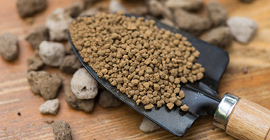
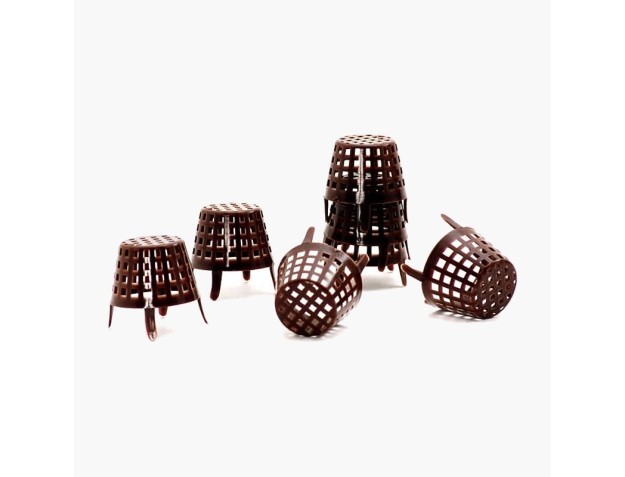
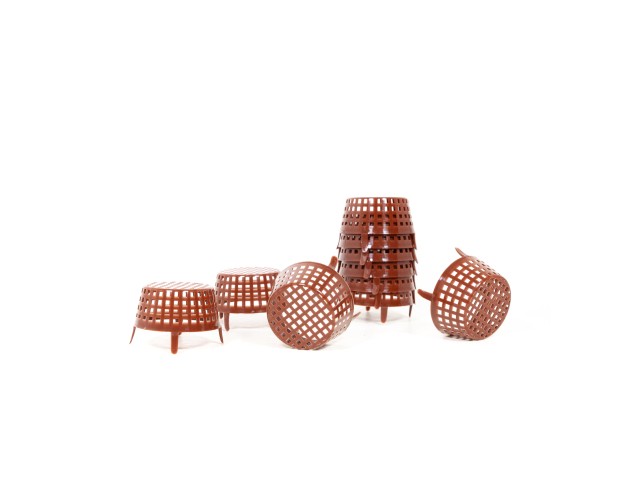
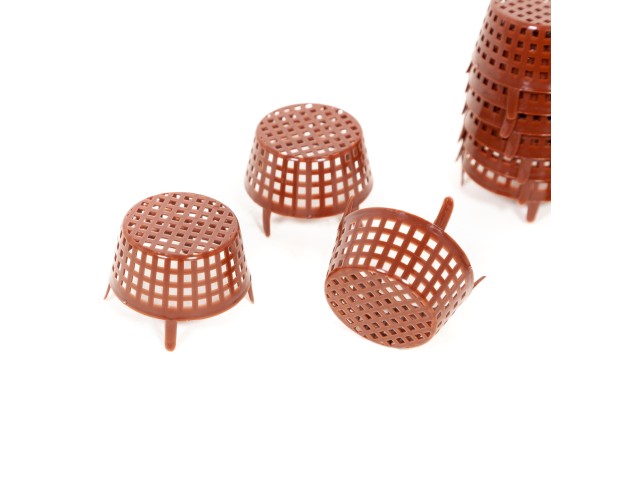
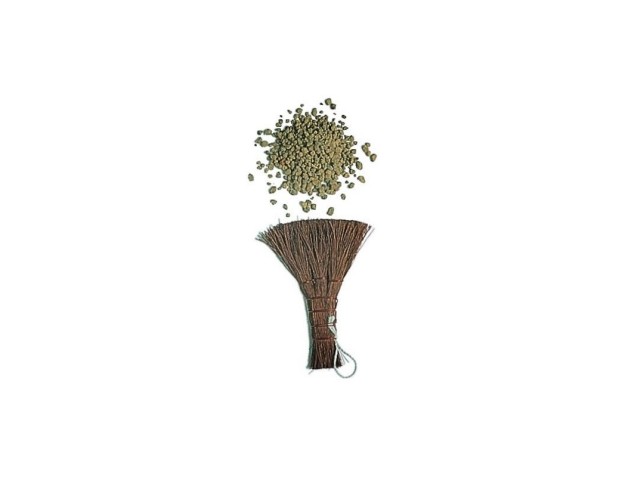
Repot every 2-3 years in early spring, in March or April. The ideal substrate is composed of well-draining materials, such as a mix of akadama and pumice, to promote good root aeration.
Discover the right products

The best way to

WATER

the Damnacanthus indicus

The best way to

FERTILIZE

the Damnacanthus indicus

The best way to

REPOT

the Damnacanthus indicus

Product added to wishlist